

Sexual Compulsion: How It Differs In Women (and How It Doesn’t)
January 21, 2026
Compulsive sexual behavior can be defined in many ways and identified by terms such as hypersexuality or sex addiction. While it’s commonly been considered that women develop sexual compulsion in relation to disorders like love addiction, the truth is that compulsive sexual behavior in women often looks similar to how it does in men. Women are not exempt from using sex as a form of power, or getting a high from risky sexual behaviors. However, women may be more prone to hiding their behaviors or acting out in different ways, given that sexual struggles are often seen as less acceptable in women than in men.
What Is Sexual Compulsive Disorder?
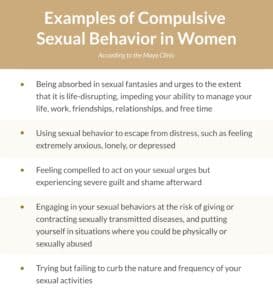
All addictions are characterized by a lack of control on the part of the subject over the substance or behavior. Sexual compulsive disorder is no different. Those who struggle with this condition are engaging in sexual behaviors to an extent that is unhealthy and harmful to themselves and others.
How do you know if your sexual behavior is compulsive or unhealthy? The prevailing symptom is continuing to pursue the behavior, and getting even further entrenched, in spite of repeated and even severe negative consequences.
Sexual compulsion to this degree may escalate to extensive pornography viewing, engaging in sexual activities with strangers or in unsafe environments, and using sex with others in order to feel a high or sense of power. None of these behaviors will help you establish healthy attachments or real intimacy, which can only be fostered with trust and a sense of safety.
How Trauma Shapes Sexual Compulsion in Women
Many women who find themselves caught in the cycle of compulsive sexual behavior share a common, painful thread: a history of neglect, abuse, or trauma. Research shared by the National Library of Medicine suggests that these early experiences often shatter a woman’s internal sense of safety and her ability to trust those around her.
In this context, sexual activity often stops being about connection and starts being a survival tool. It can become:
- A vehicle for emotional release: A way to vent overwhelming feelings that have no other outlet.
- A method for gaining power: Reclaiming a sense of control after feeling powerless in the past.
- Self-medication: Using the temporary physical intensity of sex to numb deep-seated distress or pain.
Because these patterns are deeply rooted in betrayal and trauma, they often require specialized treatment to achieve complete healing. With the right therapeutic support, it is possible to find restoration, stop the cycle of repeating past traumas, and build a new foundation of self-esteem and healthy relationships.
Sexual activity becomes a vehicle for release, a method for gaining power over others, and self-medication for deep-seated distress.
Breaking the Silence: The Hidden Reality of Female Sexual Compulsion
For decades, our understanding of sexual compulsion was skewed because studies focused almost entirely on men. Society often viewed sexual acting out as more “acceptable” or expected in men, while women were taught to hide their struggles. These outdated social norms and roles created a world where women suffered in silence, buried under a weight of shame that only served to fuel dysfunctional patterns.
However, the reality is that men and women are equally susceptible to intimacy disorders. Today, this struggle is finally coming into the public view, partly because the digital age has changed the landscape of human interaction. The internet has created unprecedented access to:
- Explicit Imagery: Constant exposure to pornography and sexualized media can exacerbate existing issues.
- Digital Anonymity: The ability to detach from personal responsibility in online environments allows fantasy to take over, often at the expense of real-world standards.
While the tools for acting out have evolved, the underlying drivers remain the same. Trauma, abuse, and neglect are the engines behind these behaviors. According to SAMHSA, understanding the link between trauma and compulsive behavior is the first step toward moving out of the shadows and into a life of genuine connection and healing.
It’s important to both understand and treat what’s driving sexual compulsion for the sake of complete healing.
How to Regain Control Over Sexual Behaviors Through Healing
Recovery from intimacy disorders or compulsive behaviors is rarely a straight line. For women, this process is often about peeling back layers of protection to rediscover a core self that has been hidden by shame or survival mechanisms. Here’s how you can start your journey.
1. Develop “Sober” Emotional Coping Skills
In the cycle of intimacy disorders, behaviors are often used as a way to “check out” or numb painful emotions. Recovery involves learning to “stay in the room” with yourself.
- Affect Regulation: Learning to identify feelings (loneliness, anger, boredom, or anxiety) before they lead to a compulsive urge.
- Mindfulness & Grounding: Utilizing tools that keep you anchored in the present moment, allowing you to experience discomfort without being overwhelmed by it.
2. Address Underlying Attachment Wounds
Many women find that their adult struggles are rooted in early “attachment injuries”—breaks in trust or safety with primary caregivers.
- Identifying Patterns: Recognizing how past trauma influences current choices in partners or self-perception.
- Inner Child Work: Learning to provide for yourself the validation and safety that may have been missing in childhood.
3. Reclaim Healthy Sexual Autonomy
Healing requires a shift from sexual “performance” or “compliance” to true agency. This means moving away from seeing oneself as an object to be used and toward seeing oneself as a subject with desires, boundaries, and rights.
- Boundaries as Self-Care: Learning that “No.” is a complete sentence and that your body belongs solely to you.
- Integration: Redefine sexuality not as a source of shame or a tool for manipulation, but as a healthy, integrated part of a whole person.
4. The Power of the Sisterhood (The Willow Healing Center Model)
One of the most profound catalysts for healing is the realization that you are not alone. As emphasized in the Willow Healing Center approach, group therapy with other women is a cornerstone of lasting change.
- Breaking the Silence: Shame thrives in secrecy. Speaking your truth in a room of women who “get it” dissolves the power of that shame.
- Mutual Accountability: Building a network of peers who provide both high support and high challenge, ensuring no one has to walk the path of recovery in isolation.
True healing is a holistic process. It requires patience with oneself and the understanding that you are worthy of a life defined by connection rather than compulsion.
Find Healing at Willow Healing Center at The Meadows
With help and the proper support, recovery from sexual and intimacy disorders is possible. Others have made the journey and are now leading lives of healthy attachment and freedom from compulsive urges. If you’re ready to win back your life and find healing from harmful sexual behaviors, contact our team today.
At Willow Healing Center at The Meadows, we provide stability, safety, and research-backed methods to help you overcome sexual compulsion and related conditions. We’re ready to help you; just give us a call today to learn more.
Frequently Asked Questions
Is sexual compulsion the same as a high sex drive?
No. A high libido is usually a healthy source of connection. Compulsion is different because it is often an attempt to escape emotional pain or anxiety. It involves a loss of control and continues even when it causes harm to your life.
Why do I feel more shame than the men I see with similar struggles?
Societal double standards place a heavier burden on women. While men might be excused for acting out, women are often judged harshly. This shame keeps you isolated and makes it harder to ask for the help you deserve.
How does trauma play a role in sexual compulsion?
Compulsion is often a coping mechanism. If you experienced neglect or abuse, your brain may use sexual activity to numb pain or regain a sense of power. It is a form of self-medication for distress that has not been addressed.
Can I ever have a healthy relationship again?
Absolutely. Healing is about reclaiming your self-worth and learning to build trust. With support that addresses the root of your trauma, you can find a way to have honest and healthy connections.