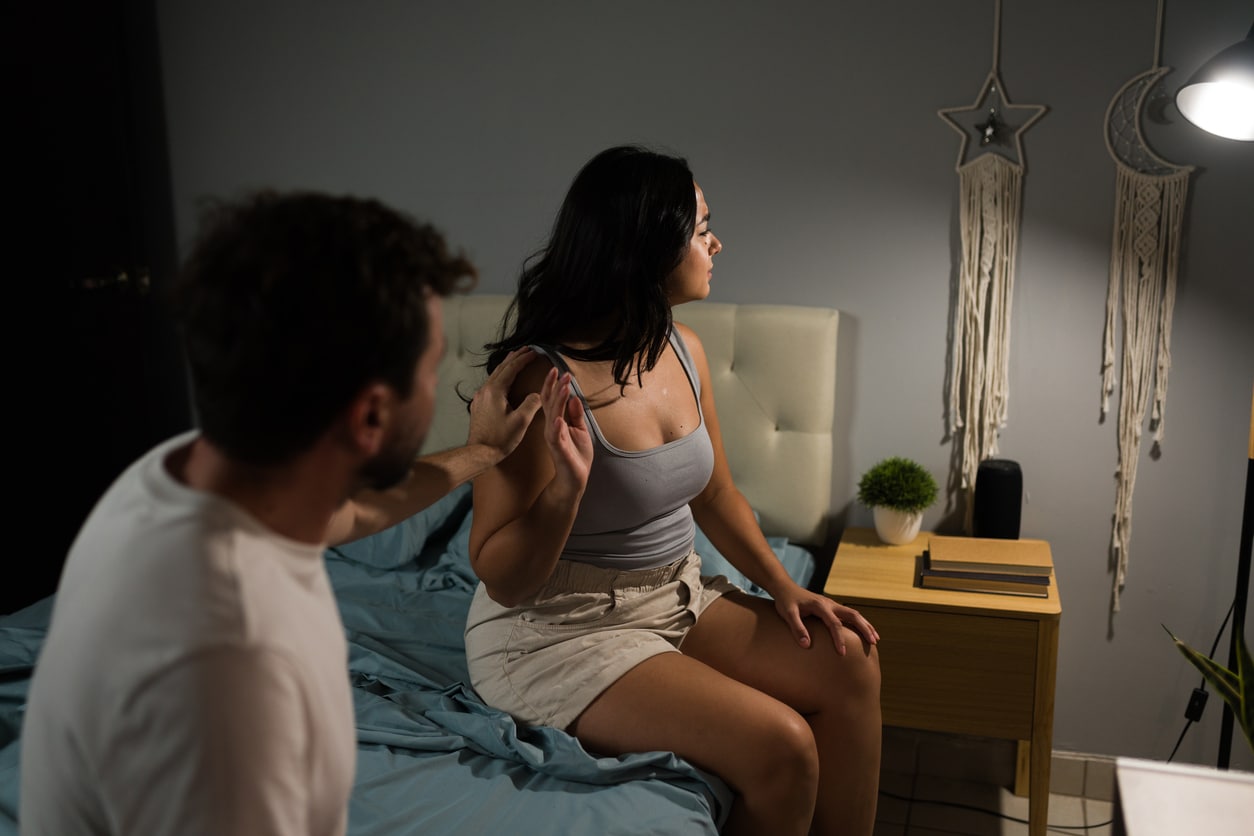
Many people want love but struggle with the vulnerability that comes with it. For someone with love avoidance, closeness can feel both comforting and threatening at the same time. They may crave connection but instinctively pull away when relationships start to feel too intimate or emotionally charged.
This guide explores what love avoidance looks like, how it develops, and how healing is possible. By understanding the fears underneath the pattern, it becomes easier to move toward relationships that feel both safe and deeply connected.
What is Love Avoidance?
Love avoidance happens when someone deeply wants connection but feels uncomfortable or even fearful once it starts to get too close. It’s a pattern where a person pulls away (emotionally or physically) when intimacy, vulnerability, or commitment begins to build.
This doesn’t come from a lack of care. More often, it stems from early experiences that taught them closeness can lead to pain, rejection, or a loss of independence.
How Love Avoidance Develops
Love avoidance often develops in childhood, especially if someone grew up with:
Caregivers who were emotionally unavailable or inconsistent
Experiences where affection or vulnerability wasn’t safe
Environments where independence was valued over emotional connection
These early patterns teach the person that closeness equals danger, so they learn to rely on themselves and minimize emotional needs as a form of protection.
Is Love Avoidance an Attachment Disorder?
Love avoidance isn’t an official mental health diagnosis, so it’s not technically considered a type of intimacy disorder. However, it does involve similar struggles with closeness and vulnerability. It’s best understood as a pattern of behavior that develops when someone learns—often early in life—that emotional closeness doesn’t feel safe or dependable.
In that sense, love avoidance can act like an intimacy disorder because it makes forming or maintaining deep emotional connections difficult. The person might crave love but feel overwhelmed or trapped when things get too close. Rather than being a disorder on its own, it’s more of a coping style linked to an avoidant attachment pattern.
How Love Avoidance Shows Up in Relationships
Love avoidance can make relationships confusing—for both the person pulling away and the one trying to get close. The behaviors that come with it often look like indifference or detachment, but they usually come from fear and self-protection. Here’s how it often shows up in everyday relationships and what might be happening beneath the surface.
Keeping Their Partner at Arm’s Length
Someone who’s love avoidant might struggle to let their partner fully in. They may keep conversations surface-level, avoid talking about emotions, or downplay their needs and feelings. It can seem like they don’t want a deeper connection, but in reality, they’re often afraid of being rejected or judged once their true selves are seen. Keeping some emotional distance helps them feel safe and in control, even if it leaves their partner feeling shut out.
Sometimes they’ll talk about future plans or long-term hopes during moments of closeness, but later pull back when vulnerability starts to feel unsafe. This can look like “future faking,” though it’s rarely intentional; it’s a protective response to feeling exposed.
Prioritizing Work, Hobbies, or Solitude Over Connection
Many love-avoidant people pour themselves into their careers, creative projects, or personal routines. These areas of life feel predictable and safe compared to the uncertainty of emotional closeness. Immersing themselves in productivity or solitude gives them a sense of stability and independence that feels threatened by intimacy. Over time, this pattern can lead to relationships that feel unbalanced: one person gives time and energy freely, while the other always seems “too busy” or unavailable.
Withdrawing When Things Feel “Too Much”
When a relationship starts to feel emotionally intense, a love-avoidant person might suddenly pull back. They may become quiet, distant, or even pick fights as a way to create space. This isn’t because they’ve stopped caring, but because closeness can trigger a fear of losing control or being hurt. Their nervous system interprets emotional intimacy as danger, so withdrawal becomes a form of self-preservation.
How Do Avoidant People Show Love?
Avoidant people often show love in quiet, indirect ways. They tend to express care through actions rather than words, since emotional vulnerability can still feel risky or unfamiliar. Here are some common ways they show love:
Acts of service: They handle tasks, fix things, or take care of practical needs instead of verbalizing affection.
Providing stability: They show loyalty by being dependable, following through on commitments, and quietly supporting their partner.
Respecting independence: They demonstrate love by giving their partner space and trusting them to make their own choices.
Physical presence: Even if they’re not verbally expressive, simply being near their partner—sharing time or proximity—can be their version of intimacy.
Protective behavior: They may look out for their partner’s comfort or safety in subtle ways, like checking in about logistics or making sure things run smoothly.
Problem-solving: They often express love by offering solutions, giving advice, or trying to fix what’s wrong rather than offering emotional comfort.
For an avoidant, love often means consistency, dependability, and respect more than open emotional exchange. Their gestures might seem small, but they often carry deep meaning—they’re showing care in the safest way they know how.
Healing Love Avoidance
When you look at these behaviors together, they all stem from the same underlying fear: that vulnerability leads to pain. For someone with love avoidance, distance feels like safety. The challenge—and the opportunity—is learning that connection doesn’t have to mean losing autonomy or being hurt again.
With awareness, patience, and support, it’s possible to build relationships that feel both emotionally safe and deeply connected. The goal isn’t to rush into closeness but to rebuild a sense of safety and trust—both with yourself and others. Each step below helps loosen old defenses and make connection feel more natural.
Therapy or Counseling
Therapy creates a safe space to explore the roots of avoidance and practice healthier emotional patterns. A therapist helps you understand how your past shaped your relationship style and guides you in creating more secure connections.
How therapy helps:
Identifies the early experiences that made closeness feel unsafe
Teaches tools for managing anxiety around intimacy
Helps you set boundaries that protect, not isolate
Builds emotional trust through consistency and support
Therapies that can help:
Psychodynamic therapy: Explores how early relationships influence current behavior
Attachment-based therapy: Focuses on building secure emotional bonds
Psychodrama: Uses guided role-play to safely revisit and release emotional patterns
Somatic therapy: Helps reconnect with the body to process stored emotions
Holistic therapies: Combine mindfulness, movement, or creative expression to support emotional safety
Building Self-Awareness
Self-awareness helps you catch avoidance patterns before they take over. It’s about recognizing when you’re pulling away and understanding what emotions or fears are driving that urge.
How to build awareness:
Pause and notice what triggers your need for space
Ask yourself what you’re afraid might happen if you stay open
Journal or talk through recurring fears of closeness
Replace retreating with one small act of openness, like sharing a thought or feeling
Creating Safe, Supportive Relationships
Healing happens through connection, not isolation. Being around people who are patient, understanding, and emotionally consistent helps rewire how you experience closeness.
How to create safe relationships:
Choose people who respect your boundaries and don’t pressure you
Communicate openly when you need space instead of disappearing
Practice small acts of vulnerability, like accepting help or sharing emotions
Surround yourself with those who make love feel calm and mutual
Each of these steps builds on the next. Therapy helps you understand the “why,” awareness helps you spot it in action, and supportive relationships give you the chance to try again—this time from a place of trust instead of fear.
Willow Healing Center at The Meadows Can Help
Willow Healing Center’s treatment programs for women uncover underlying issues which may not have been apparent to the patient before treatment, to begin the healing process at the root of the problem. We’ve helped countless women heal from unresolved emotional trauma, intimacy and attachment disorders, and more. Contact us today to learn more.